 BO Community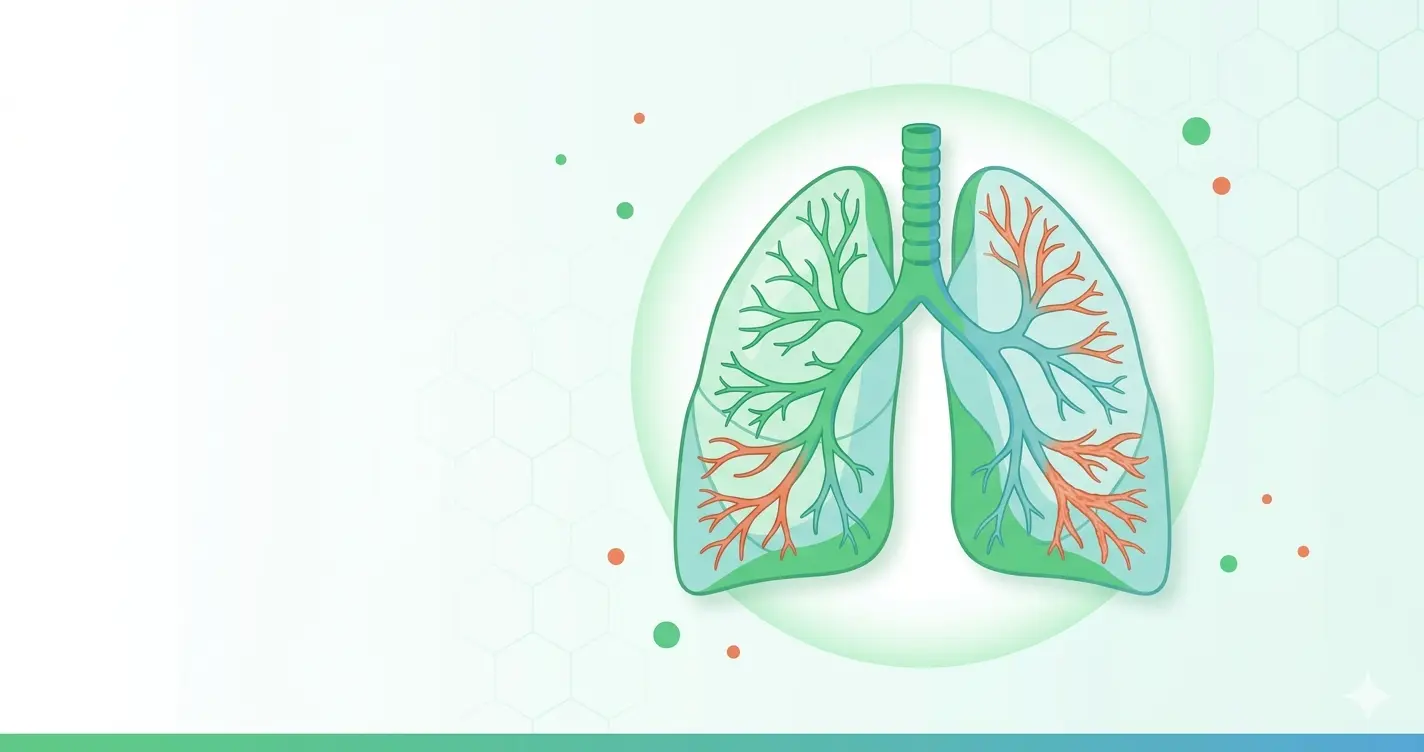
Bronchiolitis Obliterans Post-Infectious (BOPI): Complete Guide
Published on March 19, 2026 by Johann
Relative of someone with BO
What You Need to Know in a Nutshell
Imagine that your smallest airways—the bronchioles, which are about the size of a hair—gradually become blocked and replaced by scar tissue following a viral infection. This is exactly what happens in post-infectious bronchiolitis obliterans (PIBO).
A child (often an infant under 2 years old) contracts a severe respiratory infection. Instead of making a full recovery, their lungs are left with permanent damage: the small bronchioles remain blocked by irreversible fibrosis. The child continues to cough, wheeze, and struggle to breathe long after the initial infection.
Key points:
- A rare but serious disease, primarily affecting children (infants < 2 years old)
- Main causative agent: adenovirus (50–60% of cases)
- Often mistaken for uncontrolled asthma — diagnosis is often delayed (1–2 years)
- Fixed and irreversible airway obstruction: does not respond to bronchodilators
- No curative treatment—symptomatic and anti-inflammatory management
- Variable prognosis: ~20% complete recovery, ~20% severe progression
Medical definition and classification
Exact terminology
Post-infectious bronchiolitis obliterans (PIBO) is a rare chronic obstructive pulmonary disease characterized by inflammation and progressive fibrosis of the terminal bronchioles, occurring following a severe lower respiratory tract infection. It leads to irreversible partial or total obstruction of the lumen of the small distal airways.
Bronchiolitis obliterans (BO) encompasses several conditions, the three main pediatric forms of which are:
- Post-infectious BOPI: the most common in children
- Post-lung transplantation BO
- Post-bone marrow or hematopoietic stem cell transplant BO
International diagnostic codes
| System | Code | Description |
|---|---|---|
| ICD-10 / ICD-10-CM | J44.81 | Bronchiolitis obliterans and BO syndrome |
| Orphanet | ORPHA:1303 | Bronchiolitis obliterans (group of rare diseases) |
| ICD-11 | CA23.0 | Bronchiolitis obliterans |
Distinction from BOOP / cryptogenic organizing pneumonia
Do not confuse with Bronchiolitis Obliterans Organizing Pneumonia (BOOP), now called cryptogenic organizing pneumonia (COP) — code J84.116. BOOP is often corticosteroid-responsive and reversible. BOPI, on the other hand, is irreversible and responds poorly to corticosteroids.
Causes and risk factors
Infectious agents responsible
COP occurs in approximately 1% of children who have had severe acute viral bronchiolitis:
| Pathogen | Frequency | Characteristics |
|---|---|---|
| Adenovirus | 50–60% | Serotypes 3, 7, 21 — the most virulent; may remain latent in lymphoid tissues |
| Mycoplasma pneumoniae | 10–20% | Intracellular atypical bacterium — second leading cause in children |
| Respiratory syncytial virus (RSV) | 10–15% | Mainly infants < 6 months |
| Measles virus | 5–10% | In countries with insufficient vaccination coverage |
| Parainfluenza, Influenza | ~5% each | Generally less severe forms |
| Chickenpox, HSV, CMV | Rare | Mainly in immunocompromised individuals |
| Bordetella pertussis | Reported cases | Severe non-vaccine-related pertussis |
Established risk factors (meta-analysis in Frontiers in Pediatrics, 2022)
- Male gender: male-to-female ratio of 2:1 to 3:1
- Young age at initial infection: median 7–9 months
- Severe hypoxemia during the acute phase (SpO₂ < 92%)
- Mechanical ventilation at the time of initial infection
- Prolonged hospitalization in intensive care
- Prolonged fever (> 7 days)
- Elevated LDH at the peak of infection — marker of massive cellular damage
- Adenovirus infection (significantly higher risk than with other viruses)
⚠️ Important: BOPI occurs in previously healthy children. No risk factors related to prematurity or the neonatal period have been formally established.
Emerging genetic susceptibility
A study in the Orphanet Journal of Rare Diseases (March 2025) identified variants of the DNAH9 gene (ciliary structure) in children with BOPI, suggesting a genetic predisposition. Associations with alpha-1-antitrypsin deficiency (PiMZ, PiZZ phenotypes) have also been described.
Pathophysiology — How the disease develops
Stage 1 — Viral attack on the epithelium
The virus (primarily adenovirus) massively infects the ciliated epithelial cells of the distal bronchioles. Adenovirus can remain latent in lymphoid tissues (tonsils, adenoids) and reactivate sporadically, perpetuating chronic lesions.
Stage 2 — Disproportionate inflammatory response
The innate immune response triggers a massive influx of neutrophils accompanied by the secretion of pro-inflammatory cytokines: IL-8, TNF-α, TGF-β. This inflammation is excessive and unresolved in patients who will develop BOPI—for reasons that are still poorly understood, possibly genetic.
Stage 3 — Bronchiolar remodeling and fibrosis
TGF-β activates fibroblasts, which deposit collagen between the smooth muscle and the lamina propria of the bronchiolar walls. This progressive deposition of fibrous tissue narrows and then completely obliterates the lumen of the terminal bronchioles—either concentrically (constrictive BO) or via intraluminal budding (proliferative BO).
Stage 4 — Fixed Obstruction and Air Trapping
Obstructed bronchioles prevent complete exhalation of air. This results in air trapping, distension of the affected areas, and a mosaic pattern on CT scans. Bronchiectasis and atelectasis develop progressively.
Two histological subtypes
- Constrictive BO: peribronchiolar fibrosis compressing the lumen from the outside — the most common form in BOPI
- Proliferative BO: intraluminal granulation tissue—rarer, sometimes corticosteroid-responsive
Symptoms and clinical presentation
Typical 3-phase course
- Acute phase: severe respiratory infection, hospitalization in the ICU, need for oxygen or mechanical ventilation
- Deceptive remission (lasting a few days to weeks): apparent improvement that can be misleading
- Chronic phase: recurrence and persistence of symptoms > 4–6 weeks, with no response to standard treatments
Clinical signs
- Chronic cough, often productive, occurring daily
- Persistent wheezing, localized or diffuse
- Exertional dyspnea, then dyspnea at rest in severe cases
- Tachypnea (rapid, shallow breathing)
- Hypoxemia: SpO₂ < 95% at rest or on exertion
- Chest distension (barrel chest) — chronic air trapping
- Sub-rales and rales on auscultation
- Delayed growth in height and weight
⚠️ Common diagnostic pitfalls
BOPI is frequently confused with: uncontrolled asthma , primary ciliary dyskinesia, cystic fibrosis, immunodeficiency, pulmonary aspiration due to GERD. Warning
signs:
- Child with no history of respiratory symptoms prior to the triggering infection
- No response to beta-2 agonists and inhaled corticosteroids
- Daily symptoms (rather than episodic attacks as in asthma)
- History of a particularly severe respiratory infection in the preceding weeks
Diagnosis
Clinical and radiological diagnosis based on a combination of findings. Lung biopsy (the histological gold standard) is rarely performed.
Diagnostic criteria (international consensus)
- History of severe lower respiratory tract infection in a previously healthy child
- Persistence of obstructive symptoms for more than 4–6 weeks after the infection despite appropriate treatment
- Fixed bronchial obstruction that is not reversible with bronchodilators (FEV1)
- Characteristic abnormalities on chest CT
- Exclusion of other chronic conditions (asthma, cystic fibrosis, chronic obstructive pulmonary disease, immunodeficiency)
High-resolution chest CT (HRCT) — key examination
Performed during inspiration and expiration. Characteristic findings:
- Mosaic pattern: alternating hypo- and hyperdense areas — present in 80–100% of cases
- Air trapping, more pronounced during exhalation
- Peribronchial thickening
- Bronchiectasis in 30–60% of cases
- Atelectasis
Pulmonary Function Tests (PFTs)
Can be performed starting at age 4–5. BOPI pattern:
- Persistent obstructive syndrome: reduced FEV1 and FEV1/FVC ratio
- Markedly reduced FEF25–75% — an early sign of small airway involvement
- Absence or low reversibility with bronchodilators — distinguishing criterion vs. asthma
- Possible increase in RV — indicative of air trapping
Other essential tests
- Sweat test: to rule out cystic fibrosis
- Immunoglobulin levels: to rule out immunodeficiency
- Viral serology: retrospective identification of the causative agent
- Bronchoscopy + BAL: rule out a foreign body; analyze cellularity
- DECT and V/Q scan: complementary functional assessment without additional radiation exposure
- Lung biopsy: reserved for persistent atypical cases
Diagnostic delay: Brazilian pediatric series report an average delay of 12 to 21 months between the initial infection and diagnosis. This delay is detrimental because the window for early anti-inflammatory intervention is then missed.
Severity classification
| Grade | FEV1 (% predicted) | Clinical description |
|---|---|---|
| Grade 0 | > 90% | Normal or near-normal |
| Grade 0-p | 81–90% | Potentially abnormal — close monitoring |
| Grade 1 | 66–80% | Mild: symptoms on exertion, minimal impact on daily life |
| Grade 2 | 51–65% | Moderate: significant exertional dyspnea, frequent exacerbations |
| Grade 3 | < 50% | Severe: hypoxemia at rest, oxygen dependence, chronic respiratory failure |
The Bhalla score (CT scan) quantifies the extent of radiological lesions and allows for monitoring of disease progression. A Turkish study (114 children, 2021) showed that the Bhalla score decreased significantly with treatment (from 8.3 to 6.5 on average, p = 0.001).
Treatments
Important: There is no curative treatment for BOPI. Management is symptomatic and anti-inflammatory , aimed at limiting the progression of lesions and improving quality of life.
Drug treatments
1. IV bolus corticosteroid therapy — standard of care
Most well-documented protocol (Colom & Teper, Argentina; Rouen University Hospital, France, 2025 — 57 patients over 15 years):
- IV methylprednisolone: 30 mg/kg/day (max. 1 g/day) × 3 consecutive days
- Repeated monthly cycles for at least 6 to 12 months (often 3–5 years)
- Confirmed benefit: significant reduction in exacerbations, decreased need for ICS
2. Long-term azithromycin
- Dosage: 5 mg/kg/dose, 3 times a week
- Anti-inflammatory action (reduction in IL-8 and bronchial neutrophilia) rather than antibiotic
- Monitoring: QT prolongation (ECG), bacterial resistance
3. Inhaled corticosteroids (ICS)
- Fluticasone propionate 500–1,000 µg/day or equivalent as maintenance therapy
- Prevention of exacerbations — modest benefit on lung function
4. Bronchodilators
- SABA (salbutamol): during acute exacerbations
- LABAs (salmeterol): improvement in daily quality of life in some centers
- Leukotriene modifiers (montelukast): sometimes used in combination
5. Rescue treatments and alternatives
- Hydroxychloroquine: rescue immunomodulator — documented responses in Brazil among patients resistant to corticosteroid therapy
- N-acetylcysteine: mucolytic and adjunctive antioxidant
- Cidofovir / Brincidofovir: antivirals against adenovirus in the severe acute phase
Non-pharmacological treatments
- Oxygen therapy: if SpO₂ < 92% (or < 94% in cases of PAH) — intermittent, nocturnal, or continuous
- Respiratory physical therapy: bronchial drainage, muscle strengthening — essential component
- Nutritional support: malnutrition worsens the respiratory prognosis
- Vaccination: annual influenza vaccine, pneumococcal vaccine, RSV vaccine (palivizumab, nirsevimab)
- Respiratory rehabilitation: tailored exercise training program
- GERD management: PPI or fundoplication if necessary
- Lung transplantation: last resort — median 5-year survival ~50%
Recommended follow-up
Specialist follow-up every 2 to 3 months: spirometry, O₂ saturation, nutritional assessment, adherence monitoring. Follow-up CT scan at 12–24 months to assess lesion stability.
Prognosis
| Course | Proportion | Comments |
|---|---|---|
| Complete recovery (normal lung function) | ~20% | Especially very young infants (lung growth) |
| Clinical improvement with residual obstruction | ~60% | Near-normal life with appropriate treatment |
| Severe progression (respiratory failure / death) | ~20% | Related to initial severity and delayed diagnosis |
Adverse prognostic factors
- Adenovirus infection
- Need for mechanical ventilation during the acute phase
- FEV1 < 50% on initial pulmonary function testing
- Extensive lesions on CT scan (high Bhalla score)
- Early bronchiectasis
- Diagnostic delay > 6 months
Long-term complications
Main complications: recurrent infectious exacerbations (H. influenzae, S. pneumoniae, M. catarrhalis), pulmonary arterial hypertension (PAH), chest deformities, growth failure. Mortality in the acute phase can reach 18% in very severe cases.
Children versus adults
In children, the potential for lung growth is an important protective factor. In adults, post-infectious forms are rarer and the functional prognosis is generally poorer.
Prevention
Primary prevention
- Measles vaccination (MMR): nearly 100% effective in preventing this cause of BOPI
- Annual influenza vaccination (> 6 months, especially at-risk children)
- Palivizumab (high-risk infants < 2 years) and Nirsevimab (new anti-RSV monoclonal antibody, 2023–2024)
- Handwashing, breastfeeding, isolation of sick individuals
Secondary prevention
- Early diagnosis: any child with persistent symptoms > 6 weeks after severe infection → pediatric pulmonologist
- Early antiviral treatment of severe adenovirus infections (cidofovir)
- Smoking cessation among family and friends
Research outlook (2023–2026)
BOLAT Initiative — Latin American Cooperation
The BOLAT (Bronchiolitis Obliterans in Latin America) program is a prospective multicenter initiative involving Brazil, Argentina, Chile, and Colombia, aimed at establishing a shared database and conducting collaborative therapeutic trials.
Predictive biomarkers under investigation
- LDH: very high levels in the acute phase = increased risk of BOPI
- IL-8, TGF-β, TNF-α in bronchoalveolar lavage
- Osteopontin and periostin: markers of fibrosis under evaluation
Epithelial lesions (2024–2025)
A French pilot study (April 2025, Archives de Pédiatrie) describes for the first time the morphological and functional alterations of the respiratory epithelium in BOPI, opening new therapeutic avenues aimed at restoring epithelial integrity.
Genetics of susceptibility
Pathogenic variants of the DNAH9 gene identified in 2025 (Orphanet J Rare Dis) pave the way for whole-exome sequencing (WES) in atypical or familial cases.
New therapeutic approaches
- Anti-TGF-β and anti-IL-13: targeting fibrogenesis pathways — preclinical trials
- Cell therapies (mesenchymal stem cells): promising animal models
- Functional pulmonary MRI: radiation-free alternative to CT scans — validation underway
- DECT: functional assessment of perfusion without additional radiation exposure
FAQ — Frequently Asked Questions
What is the difference between classic bronchiolitis and bronchiolitis obliterans?
Classic bronchiolitis resolves within 2 to 4 weeks. POBO is a chronic, irreversible sequela: the small airways remain obstructed by fibrosis, with symptoms persisting beyond 6 weeks. POBO affects approximately 1% of severe bronchiolitis cases and is infinitely more serious.
Which viruses cause post-infectious bronchiolitis obliterans?
Adenovirus (serotypes 3, 7, and 21) is responsible for 50 to 60% of cases—it is particularly virulent. Next are Mycoplasma pneumoniae, RSV, the measles virus, parainfluenza, and influenza.
How is obliterative bronchiolitis diagnosed in children?
The diagnosis is based on four key criteria: (1) severe respiratory infection in a healthy child, (2) persistent obstructive symptoms lasting > 6 weeks despite treatment, (3) high-resolution chest CT showing a mosaic pattern with air trapping, and (4) fixed obstruction on spirometry. A biopsy is rarely necessary.
Is bronchiolitis obliterans curable?
No, the bronchiolar fibrosis lesions are irreversible. Approximately 20% of children regain normal lung function through pulmonary growth, and 60% achieve significant clinical stabilization with treatment.
What is the treatment for post-infectious bronchiolitis obliterans?
There is no curative treatment. Management includes: monthly IV methylprednisolone boluses (30 mg/kg/day × 3 days), long-term azithromycin, inhaled corticosteroids, bronchodilators, respiratory physical therapy, nutritional support, and oxygen therapy if hypoxemia is present.
Is POBO often confused with asthma?
Yes, this is the primary diagnostic pitfall. Unlike asthma, the obstruction in BOPI is fixed and not reversible with bronchodilators. Symptoms are present daily (rather than in episodes), occur following a specific severe infection, and do not respond to standard asthma treatments.
What is the long-term prognosis for bronchiolitis obliterans in children?
Approximately 20% of cases have a severe course (chronic respiratory failure/death), 20% recover completely, and 60% have stable residual obstruction, allowing for an acceptable quality of life with treatment. Mortality during the acute phase can reach 18% in very severe cases.
Sources and References
- Jerkic SP, et al. “Postinfectious Bronchiolitis Obliterans in Children: Diagnostic Workup and Therapeutic Options.” Can Respir J, 2020. PMC7013295
- RespiRare. “Non-transplant-related bronchiolitis obliterans.” March 2025. respirare.fr
- Mailhol C, Didier A. “Postinfectious Bronchiolitis Obliterans.” Rev Mal Respir, 30(2):152-160, 2013. EM Consulte
- Li YN et al. “Risk Factors for PIBO in Children: A Systematic Review and Meta-Analysis.” Front Pediatr, 2022. Frontiers
- Hardy KA et al. “Post-infectious BO in children: a review of 42 cases.” BMC Pediatrics, 14:238, 2014. PMC4181416
- Dupont B et al. “Clinical course of children with PIBO with vs without comorbid BPD.” Clin Exp Pediatr, 2025. e-cep.org
- Vega-Briceño LE et al. “Clinical guidelines for the diagnosis of post-infectious BO.” Rev Chil Enf Respir, 2009. SciELO Chile
- Colom AJ, Salim M. “Post-infectious bronchiolitis obliterans.” Arch Argent Pediatr, 116(S3):S48-S58, 2018. SAP
- Lasmar LM et al. “Post-infectious bronchiolitis obliterans in children.” J Pediatr (Rio J), 87(3):187-198, 2011. SciELO Brazil
- DNAH9 variants in PIBO. Orphanet J Rare Dis, March 2025. BioMedCentral
- Orphanet. “Bronchiolitis obliterans (ORPHA:1303).” orpha.net
- ICD-10-CM 2026. “J44.81 — Bronchiolitis obliterans.” icd10data.com
⚕️ Medical Disclaimer
This article is intended for informational and educational purposes only. It does not constitute medical advice, diagnosis, or treatment. The information presented is based on medical literature available in March 2026 and should not replace consultation with a doctor or qualified healthcare professional. If your child has persistent respiratory symptoms, consult a doctor or pediatric pulmonologist immediately.